
Horror has produced some of the most recognizable villains in movie history. You can identify Michael Myers by his silhouette, Freddy Krueger by his glove, and Jason Voorhees by a few notes of music.
These characters became bigger than the movies that created them. They inspired sequels, remakes, toys, costumes, and enough questionable tattoos to fill a convention center.
But horror history runs much deeper than the faces printed on Spirit Halloween merchandise. Beyond the major franchises, you will find masked maniacs, supernatural rock stars, forgotten slashers, and killers who deserved more than one movie.
Here are ten horror icons everyone knows, followed by ten villains waiting to invade your watchlist.
THE ICONS
10. Ghostface
Scream
1996 · 112 min · Wes Craven
A year after the murder of her mother, a teenage girl is terrorized by a masked killer who targets her and her friends by using scary movies as part of a deadly game.
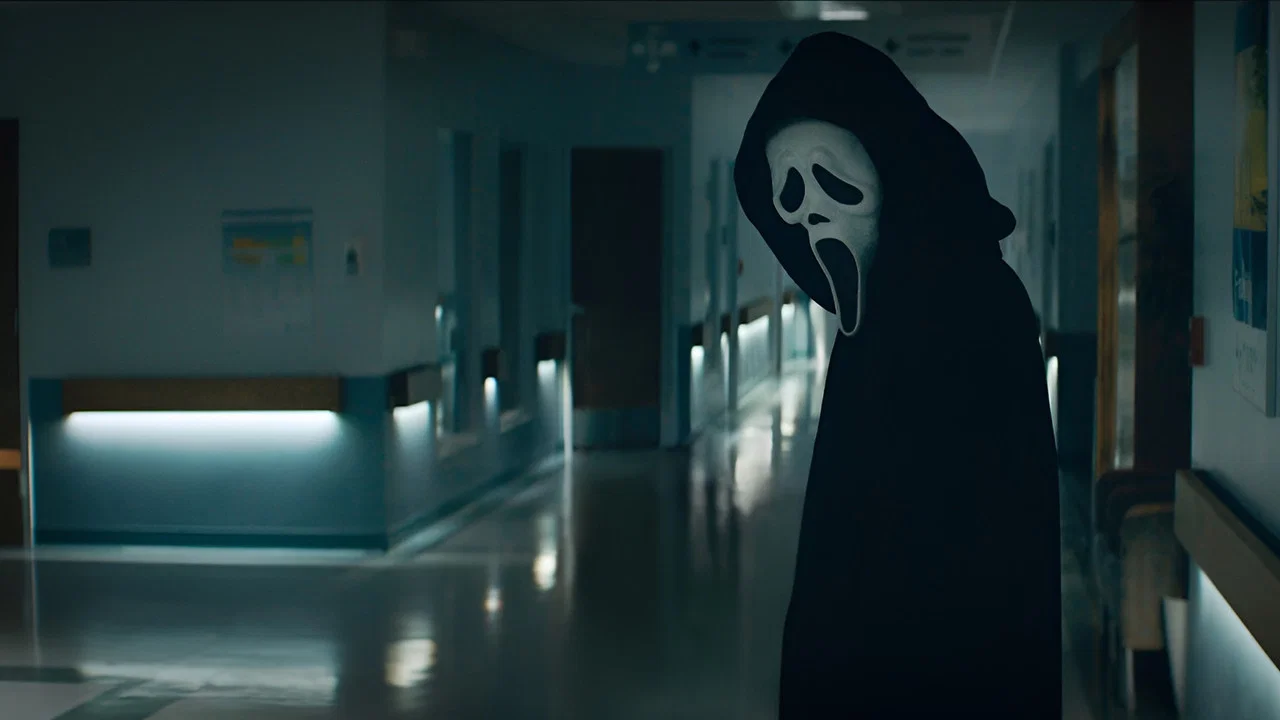
Ghostface is different from most slasher villains because the person beneath the mask keeps changing. The costume, voice, and hunting style remain the same, but every movie introduces a new motive and collection of suspects.
That structure transformed the slasher into a murder mystery. Ghostface can be intimidating one moment and fall over a chair the next. That vulnerability makes every chase feel frantic. The killer is human, clumsy, and beatable, but you never know who is wearing the mask.
9. Chucky
Child's Play
1988 · 87 min · Tom Holland
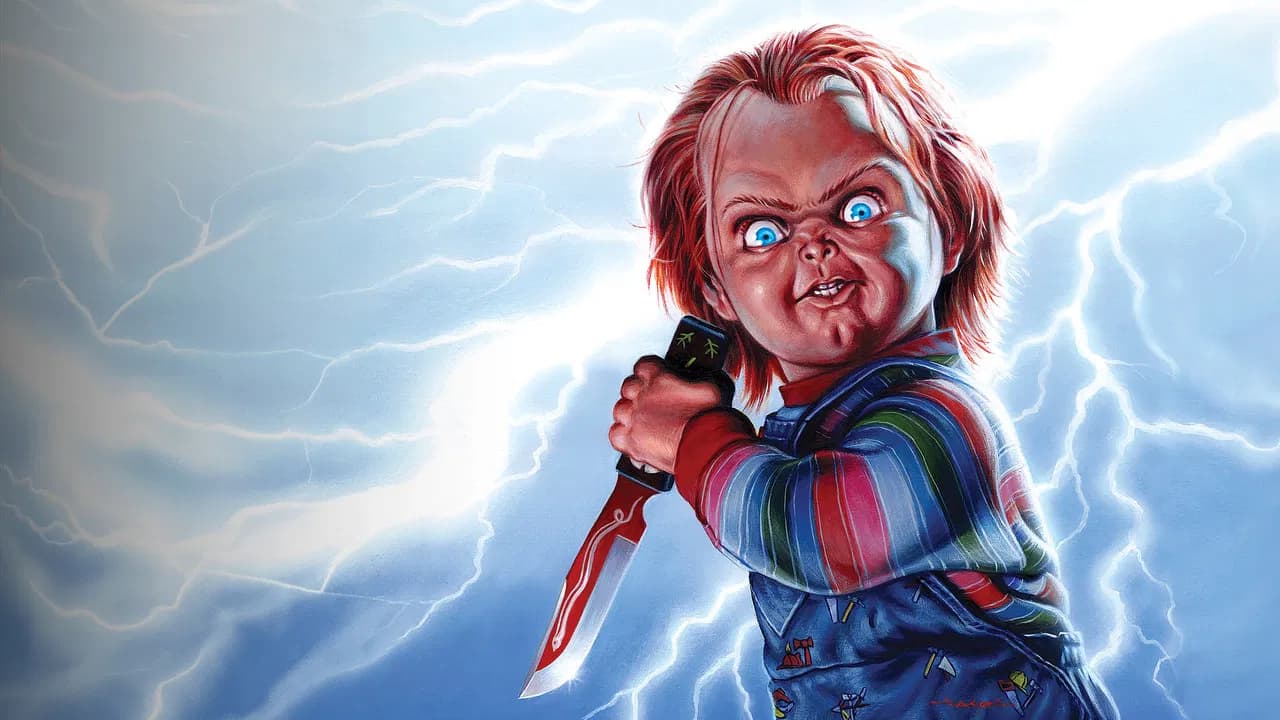
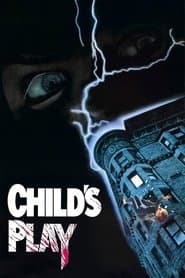
After being shot in a toy store, a serial killer transfers his soul into a Good Guy doll. A mother then gifts it to her 6-year old son Andy, which unleashes terror upon the city.
A killer doll should have been good for one ridiculous movie. Chucky survived because he has more personality than most human villains.
Charles Lee Ray uses voodoo to transfer his soul into a Good Guy doll. The innocent appearance lets him hide in plain sight while a child takes the blame for his crimes. Once Chucky drops the act, Brad Dourif's voice turns him into a foul-mouthed, furious little monster.
The series has changed directions several times, but Chucky remains entertaining because he enjoys being evil.
8. The Xenomorph
Alien
1979 · 117 min · Ridley Scott
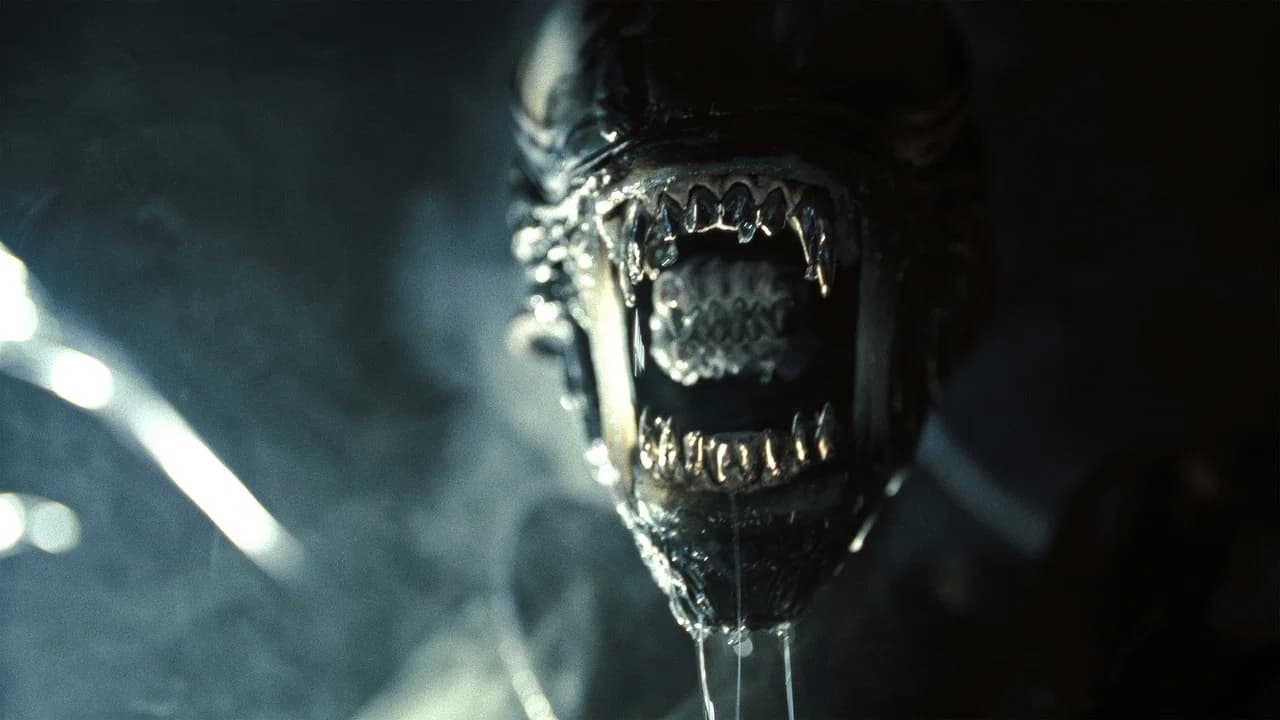
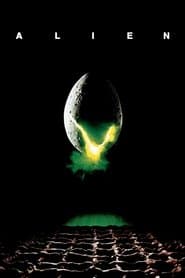
During its return to the earth, commercial spaceship Nostromo intercepts a distress signal from a distant planet. When a three-member team of the crew discovers a chamber containing thousands of eggs on the planet, a creature inside one of the eggs attacks an explorer. The entire crew is unaware of the impending nightmare set to descend upon them when the alien parasite planted inside its unfortunate host is birthed.
The Xenomorph does not taunt its victims or explain what it wants. It exists to hunt, reproduce, and survive.
H.R. Giger's biomechanical design combines skeletal features, machinery, and sexual imagery into something that feels both organic and artificial. Its life cycle makes the creature even worse. Every stage introduces a different way for the human body to be invaded, transformed, or destroyed.
Alien gave audiences a monster they could barely understand and nowhere to escape it.
7. Candyman
Candyman
1992 · 100 min · Bernard Rose
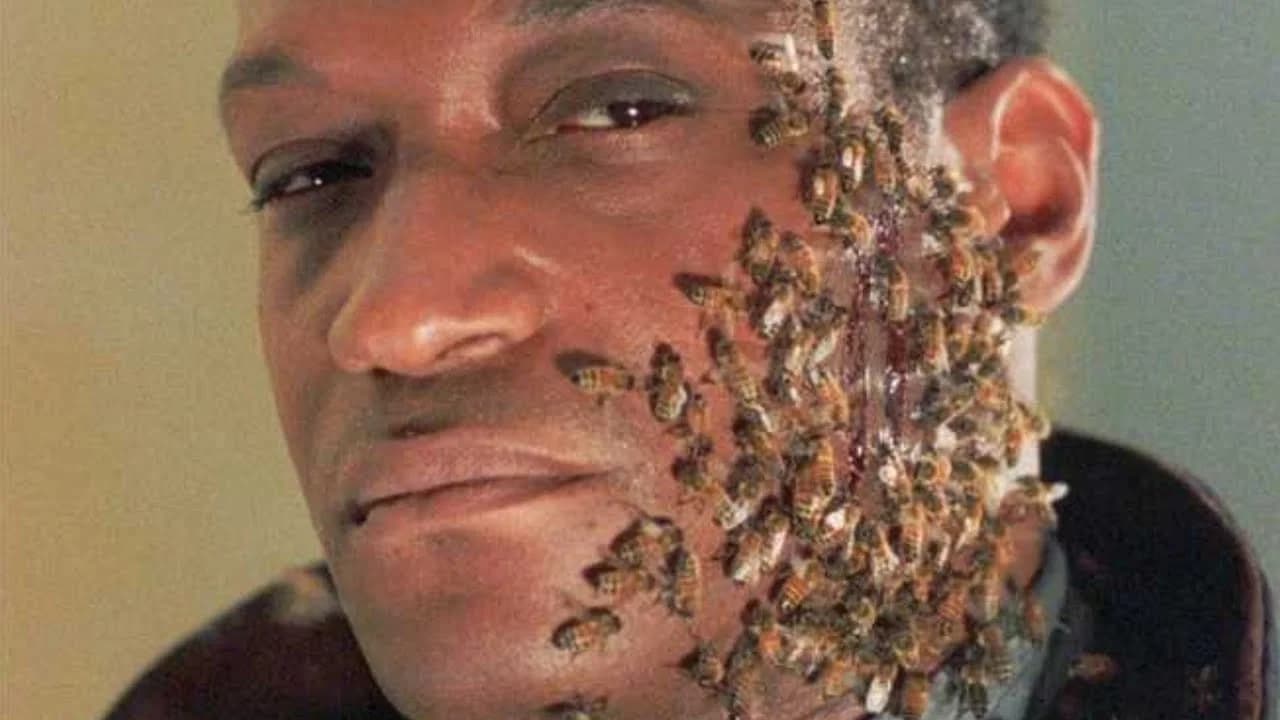
The Candyman, a murderous soul with a hook for a hand, is accidentally summoned to reality by a skeptic grad student researching the monster's myth.
Say his name five times in a mirror and Candyman appears with a hook buried in his arm and a swarm of bees beneath his coat.
Tony Todd gives the character a calm, seductive presence that separates him from louder slasher villains. Candyman does not rush. He speaks like someone who already knows how the story ends.
He is also more than a supernatural killer. His legend grows from racial violence, public fear, and the human need to keep terrible stories alive. Every person who repeats his name gives him more power.
6. Pinhead
Hellraiser
1987 · 93 min · Clive Barker
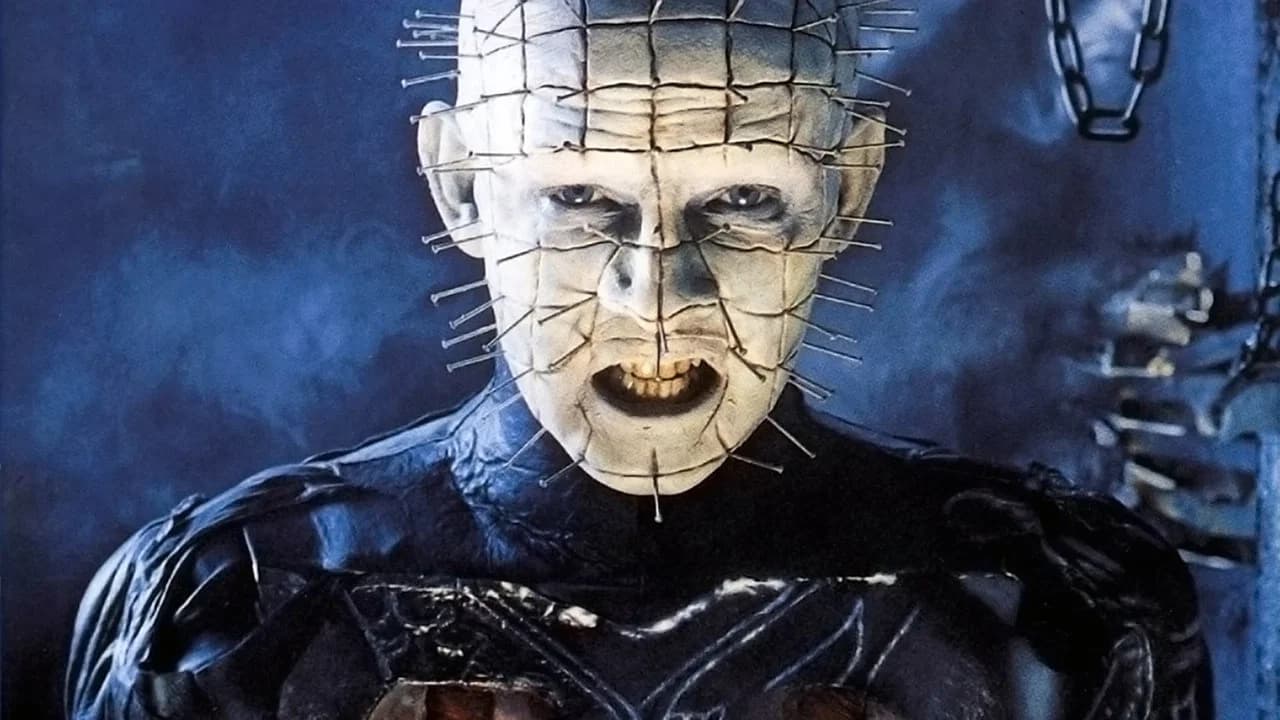
A hedonistic man finds a mysterious puzzle box that summons a group of gruesome beings known as the Cenobites. These otherworldly entities open the doors to a dominion where pain and pleasure are indivisible.
Pinhead was never meant to be another masked slasher. He is a priest from another dimension where pain and pleasure have become impossible to separate.
The Cenobites arrive when someone solves the Lament Configuration. They do not see themselves as monsters. They believe they are explorers offering sensations beyond normal human experience.
Doug Bradley's controlled performance makes Pinhead frightening without requiring him to shout or chase anyone. He enters a room with the authority of someone delivering a sentence that has already been decided.
5. Leatherface
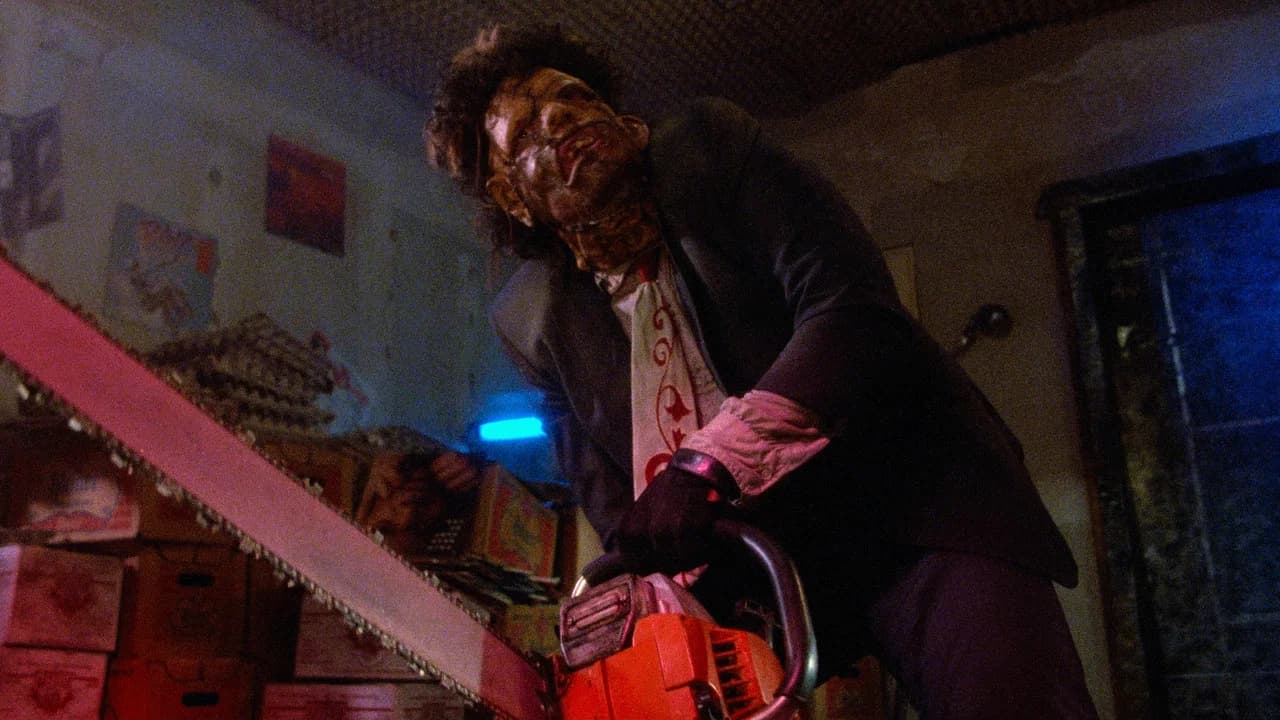

The Texas Chain Saw Massacre
1974 · 83 min · Tobe Hooper
Five friends head out to rural Texas to visit the grave of a grandfather. On the way, they stumble across what appears to be a deserted house, only to discover something sinister within. Something armed with a chainsaw.
Leatherface is terrifying because he feels unpredictable. He swings between panic, obedience, and explosive violence while trapped inside a family even worse than he is.
His masks suggest that he has no stable identity of his own. He changes personalities depending on the face he wears and the role his family demands from him.
The chainsaw gets the attention, but the character's frightened movements make him memorable. Leatherface does not stalk his victims like a calculated killer. He reacts to them like terrified livestock have escaped into his home.
4. The Thing
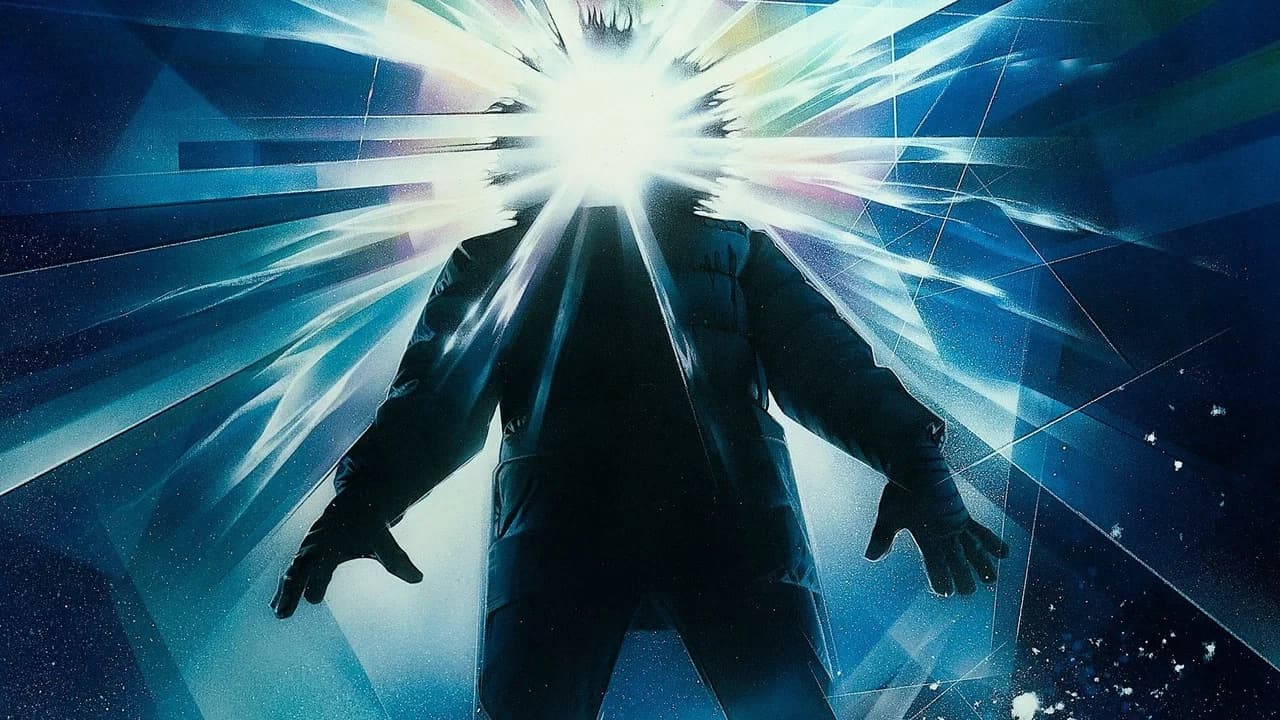

The Thing
1982 · 109 min · John Carpenter
A research team in Antarctica is hunted by a shape-shifting alien that assumes the appearance of its victims.
The Thing can absorb and imitate any living organism. Once it copies someone, the imitation becomes nearly perfect.
That ability turns a remote Antarctic station into a trap filled with paranoia. Anyone could be infected. Every conversation becomes an interrogation, and every small change in behavior feels suspicious.
Rob Bottin's effects give the creature endless possible forms. It splits heads, grows limbs, produces teeth, and rebuilds bodies without following any recognizable anatomy. Its greatest weapon, however, is doubt. The Thing destroys the group before anyone can prove who is still human.
3. Jason Voorhees

Friday the 13th Part 2
1981 · 86 min · Steve Miner
Five years after the horrible bloodbath at Camp Crystal Lake, new counselors roam the area, not sensing the ominous lurking presence that proves that the grisly legend is real.
Jason did not become the killer until the second movie and did not receive his iconic hockey mask until the third. Neither delay prevented him from becoming the face of the franchise.
He grew from a backwoods murderer into an undead force capable of surviving nearly anything. Guns, machetes, explosions, drowning, and trips to Manhattan could only slow him down.
Jason works because his story remains simple. Camp Crystal Lake is his territory. Anyone who enters it becomes another trespasser who needs to die.
2. Freddy Krueger
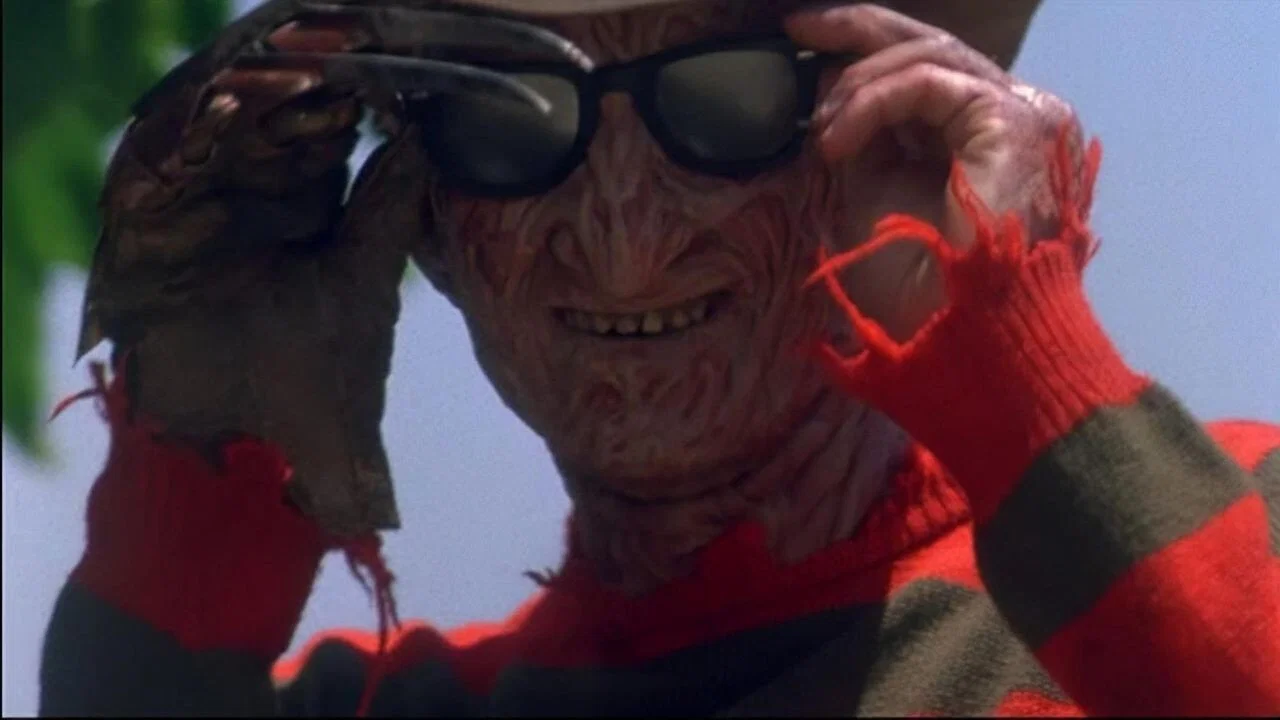

A Nightmare on Elm Street
1984 · 91 min · Wes Craven
Teenagers in a small town are dropping like flies, apparently in the grip of mass hysteria causing their suicides. A cop's daughter, Nancy Thompson, traces the cause to child molester Fred Krueger, who was burned alive by angry parents many years before. Krueger has now come back in the dreams of his killers' children, claiming their lives as his revenge. Nancy and her boyfriend, Glen, must devise a plan to lure the monster out of the realm of nightmares and into the real world...
Freddy attacks teenagers inside their dreams, where normal rules offer no protection. Falling asleep gives him control, but staying awake eventually becomes impossible.
His burned face, striped sweater, fedora, and bladed glove created one of horror's strongest visual designs. Robert Englund gave him the personality to match it.
Freddy became more comedic as the sequels continued, but the original character remains vicious. He studies his victims, discovers their deepest fears, and constructs nightmares specifically designed to break them.
1. Michael Myers

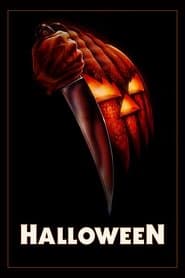
Halloween
1978 · 91 min · John Carpenter
Fifteen years after murdering his sister on Halloween Night 1963, Michael Myers escapes from a mental hospital and returns to the small town of Haddonfield, Illinois to kill again.
Michael Myers turned a pale mask and a kitchen knife into the foundation of the modern slasher.
He does not need an elaborate backstory. In the original Halloween, Michael is frightening because there is no satisfying explanation for him. He watches from across the street, disappears behind hedges, and enters homes without warning.
John Carpenter frames him as part of the environment. Michael can appear anywhere in the background, often before the characters notice him. He is less like a man than a shape that has decided to follow Laurie Strode home.
THE ONES YOU MAY HAVE MISSED
10. Lady Sylvia Marsh

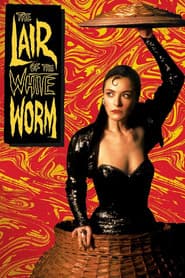
The Lair of the White Worm
1988 · 93 min · Ken Russell
When an archaeologist uncovers a strange skull in a foreign land, the residents of a nearby town begin to disappear, leading to further inexplicable occurrences.
Lady Sylvia Marsh looks like an eccentric English aristocrat until she starts hissing at crucifixes and stuffing hikers into her cellar. She is the immortal priestess of a giant snake-god that has been worshipped in the Derbyshire countryside since before Christianity arrived.
Ken Russell directs Amanda Donohoe's performance as pure camp seduction, all fangs, venom, and low murmurs. The Lair of the White Worm never plays it straight, and Lady Sylvia is the reason. She turns a Bram Stoker adaptation into something closer to a fever dream.
9. The Collector
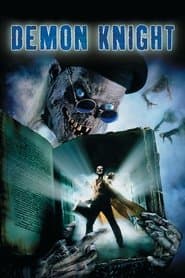
Tales from the Crypt: Demon Knight
1995 · 93 min · Ernest R. Dickerson
Ex-soldier Frank Brayker is the guardian of an ancient key that can unlock tremendous evil; the sinister Collector is a demon who wants the key so he can initiate the apocalypse. On the run from wicked mercenaries for almost 90 years, Brayker finally stops in at a boarding house in New Mexico where — with the help of its residents — he plans to face off against the Collector and his band of ghouls, preventing them from ever seizing the key.
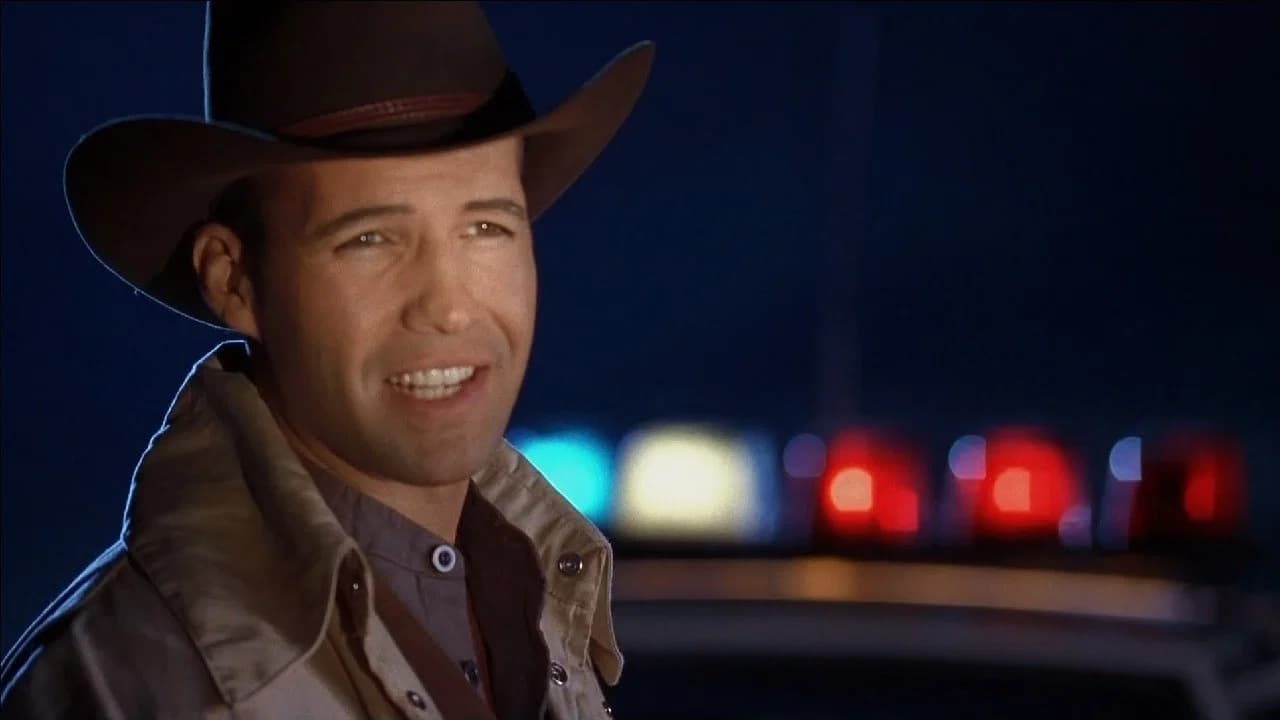
The Collector needs one thing on Halloween night: a key hidden inside an ordinary man staying at a rundown boarding house. If he gets it before dawn, hell wins.
Billy Zane plays him as a demon who genuinely enjoys the process, smirking his way through every kill and every failed negotiation. Demon Knight surrounds him with practical gore and a siege-movie structure, but the Collector's charisma is what keeps the whole thing from becoming a generic monster count-up.
8. Molasar

The Keep
1983 · 96 min · Michael Mann
Set during World War II, a German army garrison is sent to guard a mountain pass in a village in Romania's Carpathian mountains and sets up barracks in an ancient stone fortress. Two of the soldiers unwittingly release a mysterious entity that kills or corrupts those within its influence, drawing the attention of a Gestapo commander, a Jewish scholar, and a mysterious traveller.
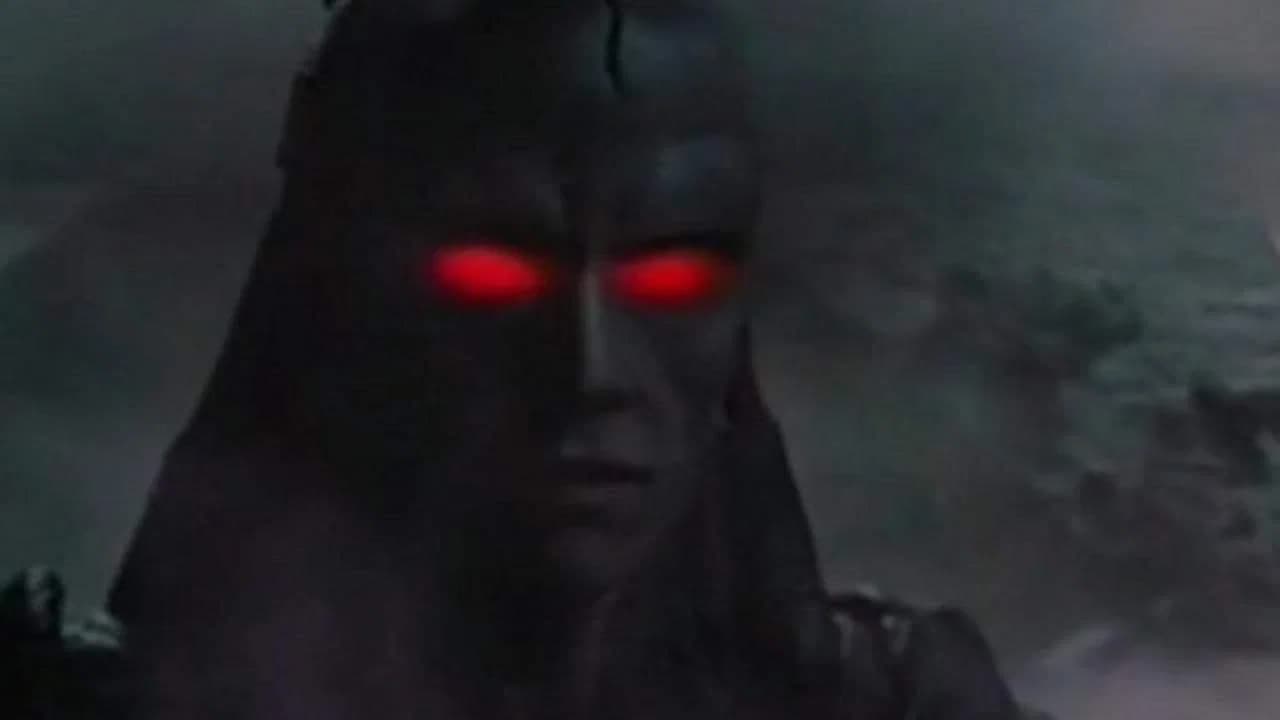
Nazi soldiers occupying a Romanian castle during World War II accidentally free something that has been sealed inside its walls for centuries. Molasar feeds on the soldiers one by one, growing stronger and more human-shaped with every death.
Michael Mann's The Keep wraps the creature in fog, blue light, and a Tangerine Dream score instead of clear exposition, which makes Molasar feel less like a monster and more like an idea the film refuses to fully explain. That opacity is exactly what makes him linger.
7. Lola Stone


The Loved Ones
2010 · 84 min · Sean Byrne
When Brent turns down his classmate Lola's invitation to the prom, she concocts a wildly violent plan for revenge.
Lola Stone asked a boy to prom. He said no. So she and her father drug him, drag him home, and turn prom night into hours of torture in their dining room, complete with a tiara and a dress just for her.
The Loved Ones plays Lola's rage as genuinely teenage, all wounded entitlement and glitter, which makes the violence that follows feel even more unhinged. She is one of the few horror villains whose motive is embarrassingly, recognizably petty, and the film never lets you forget it.
6. Reverend Henry Kane
Poltergeist II: The Other Side
1986 · 91 min · Brian Gibson
The Freeling family move in with Diane's mother in an effort to escape the trauma and aftermath of Carol Anne's abduction by the Beast. But the Beast is not to be put off so easily and appears in a ghostly apparition as the Reverend Kane, a religious zealot responsible for the deaths of his many followers. His goal is simple - he wants the angelic Carol Anne.
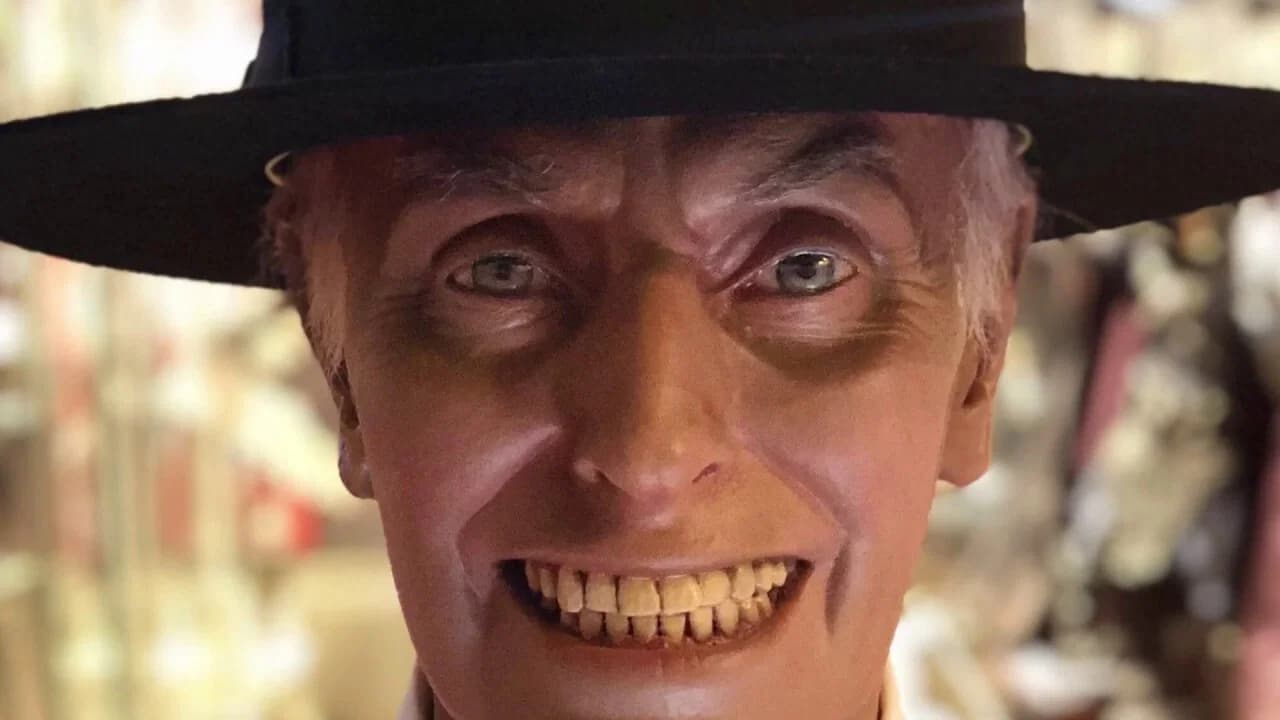
Reverend Henry Kane died leading his followers to starvation decades before Poltergeist II begins, and death has not improved his temper. He returns as a gaunt traveling preacher who shows up at the Freelings' door offering salvation and meaning something closer to abduction.
Julian Beck plays him with a hollowed-out stillness that needs no makeup effects to unsettle. Kane wants the family's youngest child specifically, and his patience is somehow more frightening than a jump scare would be.
5. Dust Devil

Dust Devil
1992 · 103 min · Richard Stanley
A woman on the run from her abusive husband encounters a mysterious hitch-hiker.
Somewhere in the Namibian desert, a shapeshifting entity hitchhikes its way toward its next victim, killing to collect souls and inch closer to returning to whatever it truly is. Locals call it a dust devil, an old evil the land has always known about.
Richard Stanley shoots the killer as a force of landscape as much as a person, blending serial-killer procedural with folk horror and desert mysticism. Dust Devil never became widely seen, but the creature at its center is genuinely strange in a way few slasher villains bother to be.
4. Aylmer
Brain Damage
1988 · 86 min · Frank Henenlotter
Brian comes under the addictive spell of a parasite with the ability to induce euphoric hallucinations in its hosts.
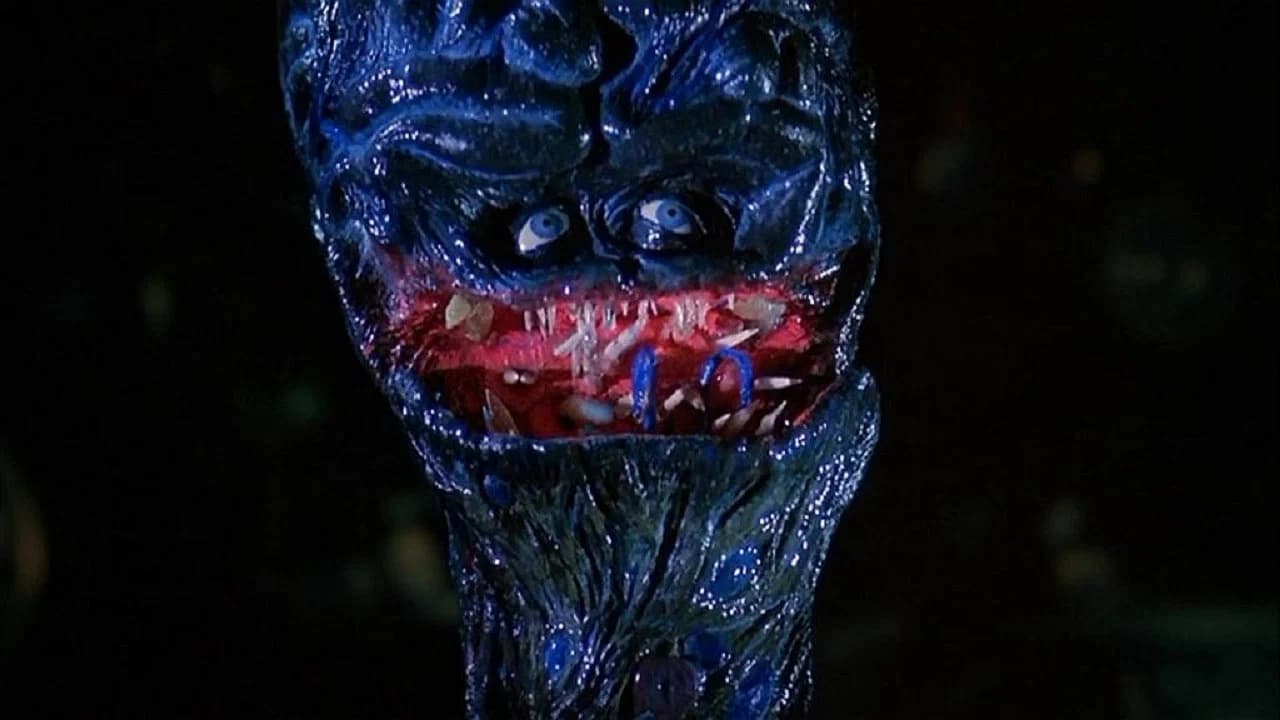
Aylmer is a parasitic, worm-like creature with a voice like a lounge singer and an addiction of his own: he needs human brains to survive. In exchange for feeding him, he pumps his host full of a euphoric blue fluid that makes the horror almost impossible to walk away from.
Frank Henenlotter turns Aylmer into horror's strangest metaphor for addiction, charming and reasonable right up until the moment he is not. He talks more than he stalks, which somehow makes him worse.
3. Mr. Slausen
Tourist Trap
1979 · 89 min · David Schmoeller
After their car breaks down, a group of young travelers find themselves stranded at a roadside museum run by the enigmatic Mr. Slausen and populated by his collection of life-like wax mannequins.
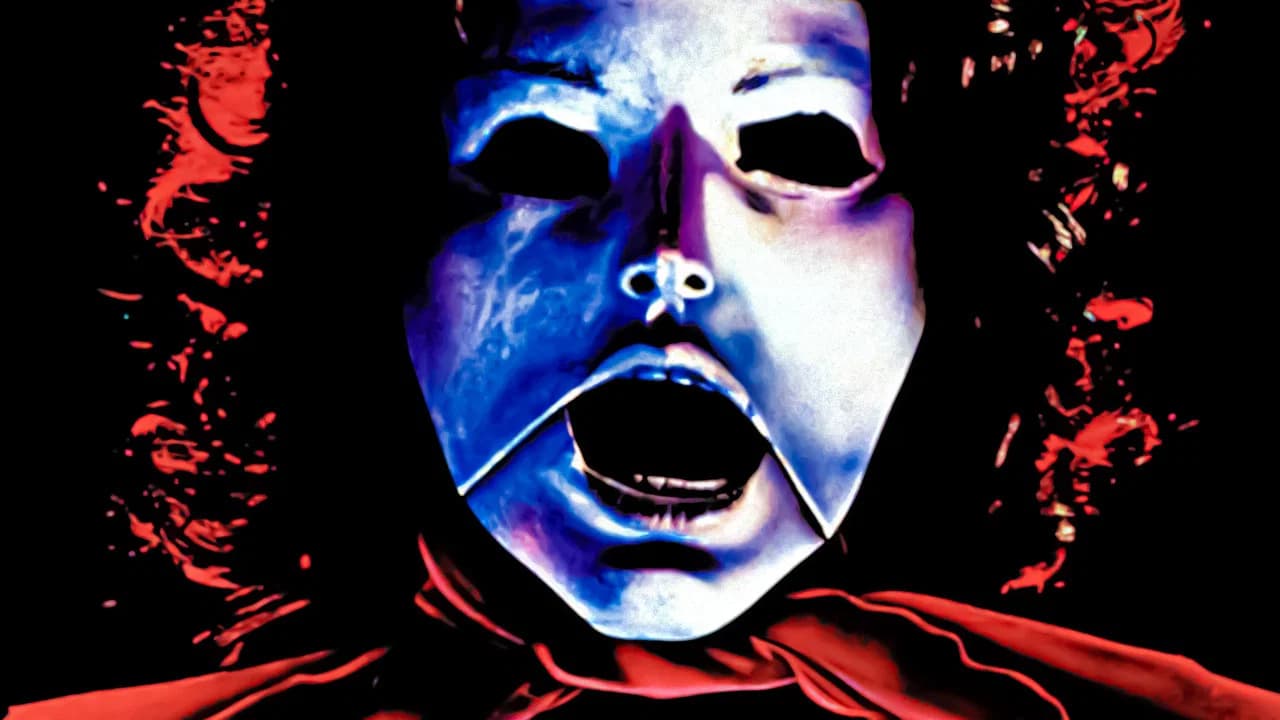
Mr. Slausen runs a nearly abandoned roadside wax museum, and his mannequins do not stay still. He can move objects and people with his mind, and he uses that power to turn stranded travelers into new additions for his collection.
Tourist Trap predates most of the slasher boom it gets lumped in with, and Slausen's telekinesis gives it a supernatural edge closer to a haunted house than a stalk-and-slash. The sight of his living, screaming mannequins has stuck with anyone who saw this one too young.
2. Dr. Philip Decker

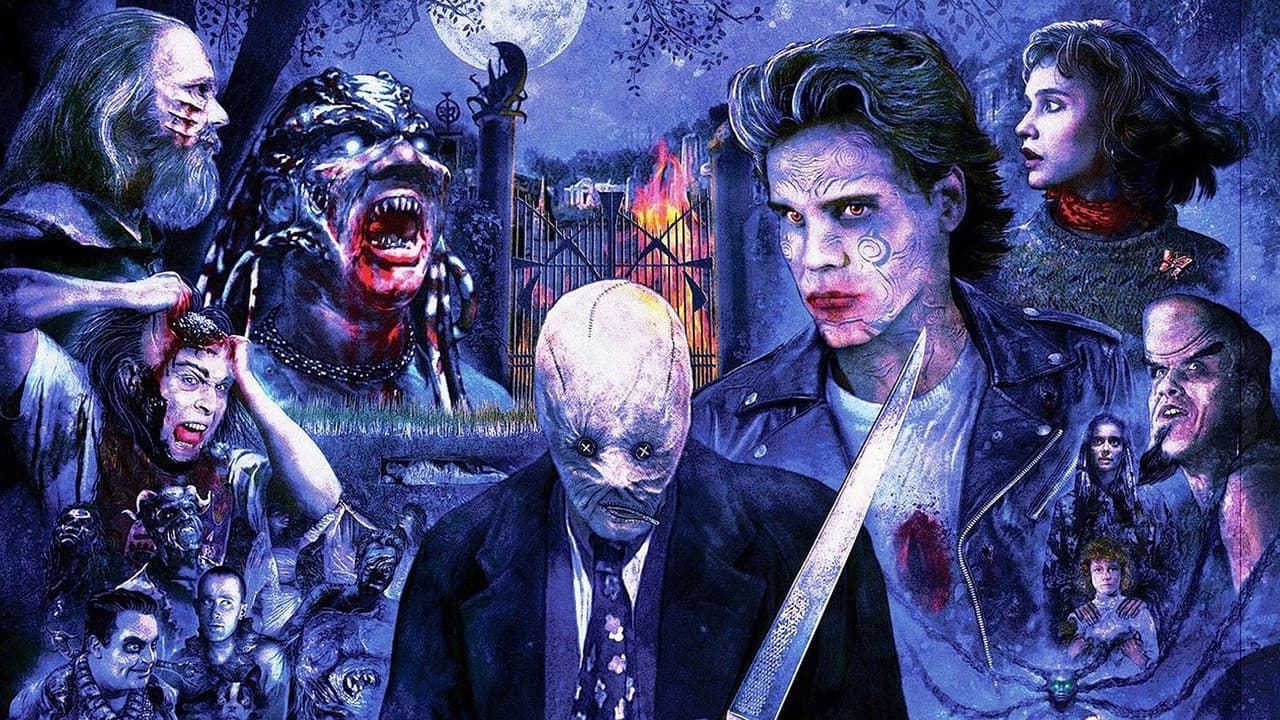
Nightbreed
1990 · 121 min · Clive Barker
A troubled young man is drawn to a mythical place called Midian where a variety of friendly monsters are hiding from humanity. Meanwhile, a sadistic serial killer is looking for a patsy.
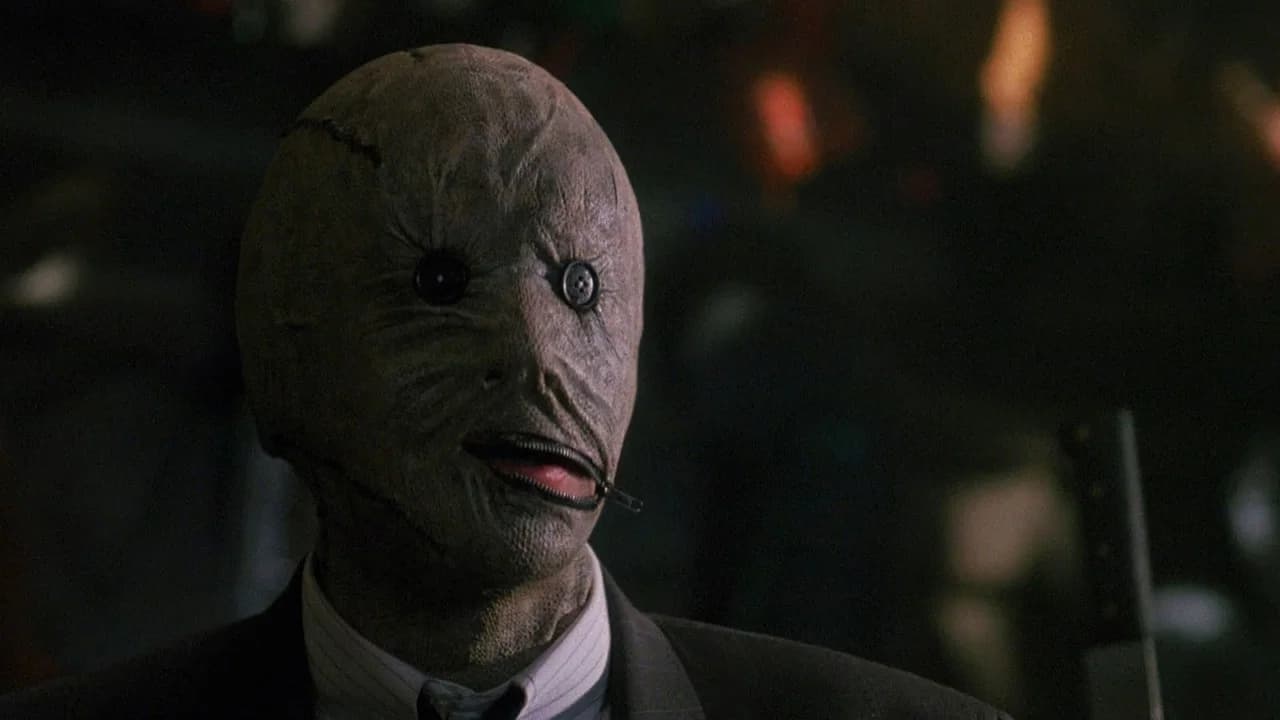
Dr. Philip Decker is a respected psychotherapist who spends his nights murdering entire families. He then convinces his patient, Aaron Boone, that Boone may have committed the crimes.
Decker wears a smooth mask with button eyes and a zipper across the mouth. Director Clive Barker plays him with cold control, making him feel more disturbing than many of Nightbreed's actual monsters. The clean, educated human behind the mask turns out to be the real one.
1. Farmer Vincent
Motel Hell
1980 · 102 min · Kevin Connor
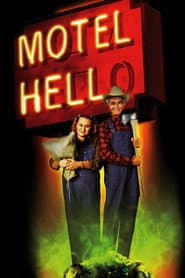
Farmer Vincent Smith and his sister Ida run a motel attached to a farm where they capture unsuspecting travelers, bury them alive, fatten them up and then harvest their bodies as ingredients for his famous brand of "smoked meats."
Farmer Vincent Smith runs a quiet roadside motel and sells the best smoked meats in the county, made from a secret ingredient he is not eager to share. Travelers who check in sometimes end up buried in his garden up to their necks, "farmed" until they are ready for the smokehouse.
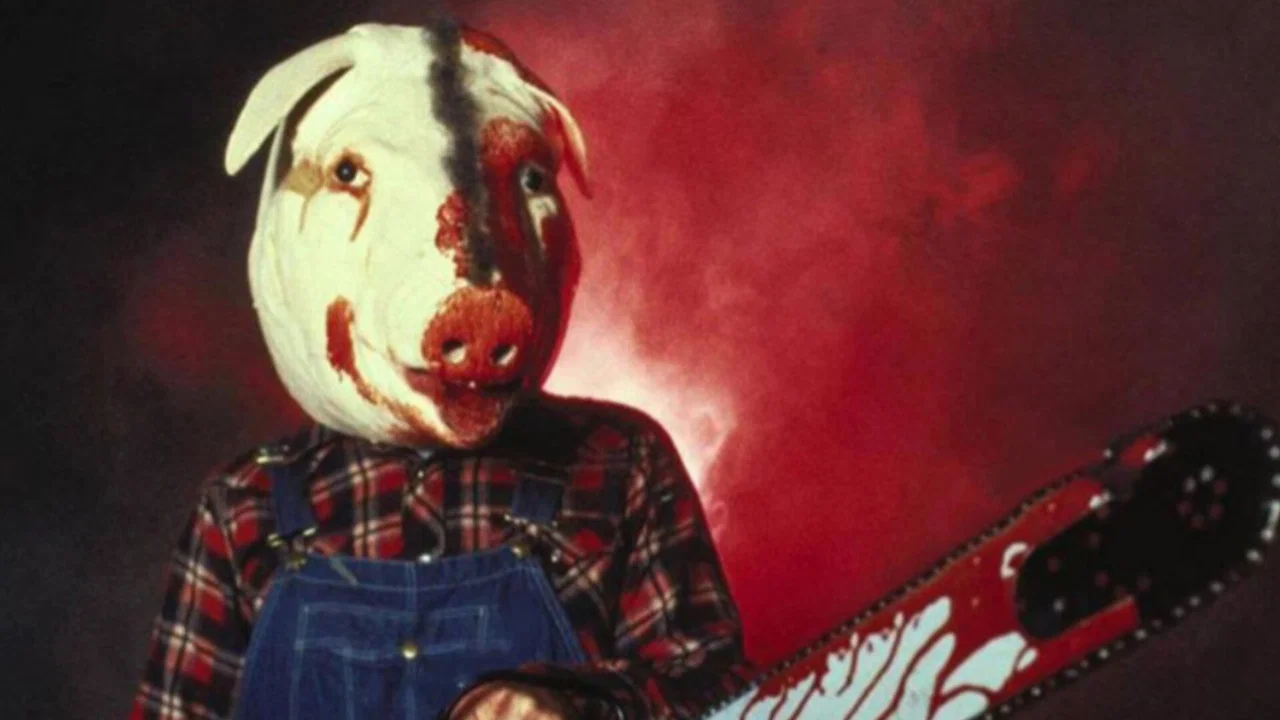
Motel Hell plays the whole premise for pitch-black comedy without ever losing its nerve, and Vincent delivers it with the calm hospitality of a man who genuinely loves his work. "Meat's meat and a man's gotta eat" might be the single best line reading in backwoods horror, and the pig-mask chainsaw duel that closes the film has never been matched.
FINAL CUT
The horror icons earned their reputations, but familiarity can soften their impact. We know Michael's mask, Jason's lake, and Freddy's jokes before the movie begins.
The deeper cuts still have the power to surprise. Some belong to forgotten franchises. Others appeared once, left a trail of bodies, and vanished.
If you only watch one from the second half, make it Nightbreed. If you want a traditional slasher hiding somewhere unexpected, choose Tourist Trap or The Loved Ones. If you want something that feels pulled from the back wall of a video store no one remembers the name of, check into Motel Hell and see what's on the menu.
